Dream it. Let’s bring it home.
A starting point for your own ideas. Explore the look, materials, and details you love, then shape a plan around your existing space.
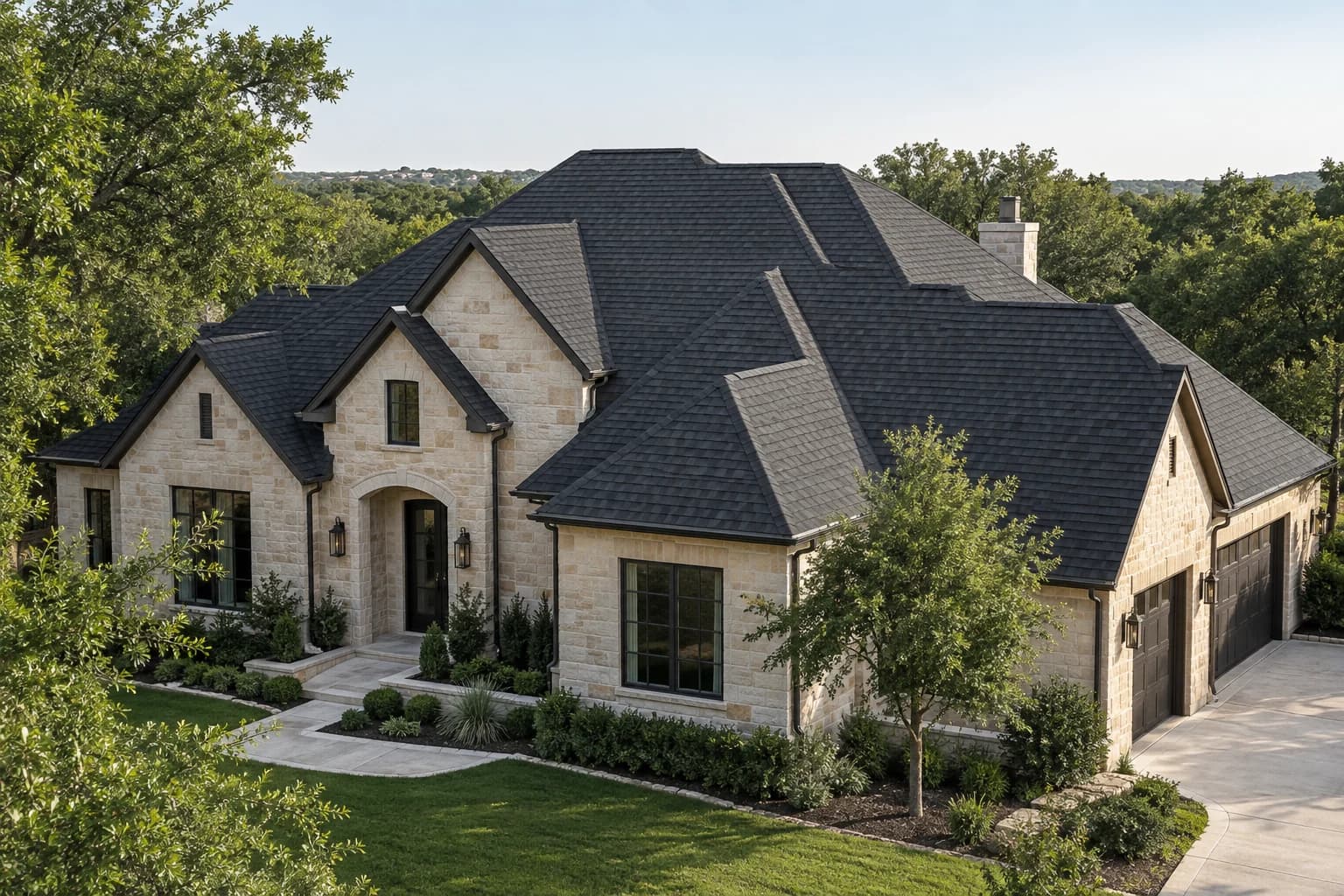
A sound roofing decision starts with the roof’s actual condition. Repairs may suit a localized issue when the surrounding system remains serviceable. Replacement may be appropriate for widespread deterioration, recurring failures, or damage that cannot be reliably addressed with a limited repair.
Look at the system, not just the shingles
A roof is an assembly of connected parts. The covering, underlayment, flashings, penetrations, edges, deck, and ventilation details all influence how it performs. A stain inside the house does not necessarily sit directly beneath the entry point, and a visible shingle issue may be only part of the problem.
Our roofing focus includes inspections, roof repairs, leak investigation, storm-damage assessment, and roof replacement. The first step is to establish what can be observed safely, document the condition, and connect a proposed repair or replacement to specific findings.
Repair, monitor, or replace?
A localized defect on a generally sound roof may support a targeted repair. Widespread wear, repeated leaks, unsuitable prior repairs, or damaged underlying materials can make a broader scope more appropriate. Age is useful context, but it is not a complete diagnosis.
Ask for the reasoning behind the recommendation. Understand what the repair addresses, what remains outside its scope, and which conditions might only become visible after materials are removed. A clear comparison helps you make a decision without relying on a headline price alone.
- Roof inspection and photo-based condition documentation.
- Localized repair and leak-source investigation.
- Shingle and flashing concerns within the assessed scope.
- Replacement planning, material selection, and property preparation.
- Storm-related condition assessment and supporting documentation.
North Texas weather makes preparation worthwhile
After severe weather, observe your property from a safe location. Note when you first noticed a leak, keep photographs taken from the ground, and arrange an appropriate inspection. Avoid climbing onto the roof or assuming that every mark proves storm damage.
A roofing contractor can document construction conditions and proposed repairs. Coverage decisions belong to the insurance company under the policy. We do not promise claim approval, a deductible outcome, or that an event will result in a replacement.
Know what is included before the work starts
For replacement planning, clarify removal, deck conditions, underlayment, flashings, ventilation, disposal, and the cleanup scope. Identify how concealed damage will be handled and which product instructions apply. Ask for warranty terms in writing; product and workmanship coverage can differ.
Roofing and interior remodeling can be coordinated where appropriate. Painting and drywall may be included within an agreed larger remodeling scope. They are not standalone repair services. After a leak, establish the cause and define any interior restoration before approving finish work.
Your project, step by step.
Start with a free initial conversation and a plan for the spaces you already have. Your written agreement sets out the responsible provider, included work, and confirmed schedule.
01Share your ideasA clear starting point.
Start with a free initial consultation. Tell us which existing spaces you’d love to upgrade, what matters most to you, and when you’d ideally like work to begin.
02Explore your spaceUnderstand the possibilities.
The next step can be a coordinated visit to your home. Review the existing space, take the necessary measurements, and identify questions that need assessment.
03Shape the planYour ideas, connected.
Bring layouts, practical needs, and material ideas together. Review samples in your home and record the products and finishes you choose.
04Align scope and timingKnow what the plan includes.
Review the written estimate, included work, allowances, and target schedule. Confirm availability, required approvals, and material lead times with the responsible provider.
05Agree and prepareReady for the first day.
Confirm the provider, written agreement, selections, and ordering responsibilities before committing. Plan household access, deliveries, and protection for the spaces around the work.
06Build and stay connectedStay part of the conversation.
You’ll have a project contact and regular progress updates. Review decisions together and approve any scope revisions in writing before the affected work proceeds.
07Clean and walk throughGive the details their moment.
Remodeling includes a thorough post-project clean around the work area. When the project involves more than one work area, deep cleaning covers the whole home. We’ll walk through the finished work together and record any final items to resolve.
08Settle into your next chapterMore room to feel at home.
Receive care guidance and product records, with follow-up after handover. Document your transformation with before-and-after photos or a video when arranged with your permission.
A few more answers
Does a roof leak always mean I need a new roof?
No. Some leaks come from localized defects that can be repaired. The condition of the surrounding roof, the cause of the leak, and the feasibility of a durable repair determine the recommendation.
Can you tell whether a roof has hail damage from photos?
Photographs may help identify areas to examine, but they do not replace an appropriate property inspection. Damage assessment should distinguish weather effects from wear, prior work, and other causes.
Do you guarantee insurance approval?
No. We can document observed roofing conditions and the proposed construction scope. Policy coverage and claim decisions are determined by the insurer.
Explore roofing across DFW
Find local project considerations and nearby service areas. Each city page describes service coverage, not a separate office.