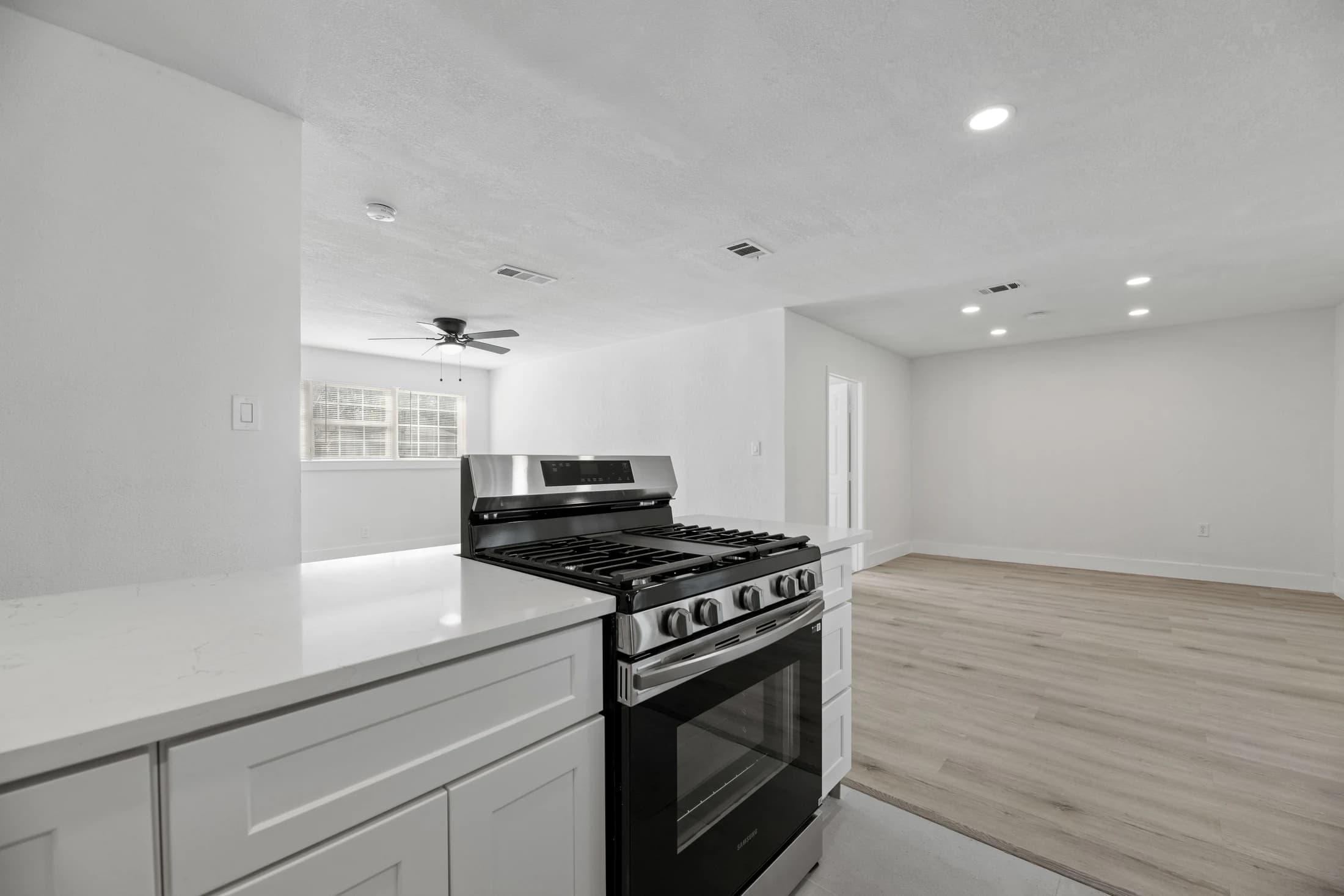
Walk through the agreed remodeling scope with the independent contractor and record each open item separately. Identify its exact location, describe what you observe, agree who will assess or address it and set the next review step. Keep reported completion separate from a reviewed result, and keep product care documents in a linked handover folder.
Start with the agreed scope and earlier notes
Before a remodeling walkthrough, gather the current scope, approved changes and the questions raised during the work. A room can look finished while an earlier issue remains unresolved. Bring those existing notes into the discussion rather than starting a new list that accidentally loses them.
For a Dallas–Fort Worth homeowner, a useful approach is to agree the purpose and route of the visit with the independent contractor. Identify which rooms and work are being reviewed and which areas are outside the project. The walkthrough is a communication step; it does not replace required professional inspections or establish the legal meaning of completion.
Write an observation that someone else can locate
Use an exact room and feature reference instead of a broad note such as fix the kitchen. Describe the visible or demonstrated issue without guessing its hidden cause. A useful note might identify the drawer beside the sink and describe where it rubs during normal opening. Ask the contractor to assess the cause and proposed response.
If photographs are useful, take a room-context view and a closer detail with the same item reference. Agree the format with the project team. Keep private household information out of shared images, and do not open equipment, remove finishes or operate something that the responsible professional has not confirmed is ready to use.
Give each item a next step and a review status
Use the record below as an organization aid. The categories are suggestions for tracking a conversation, not contractual definitions. A request for clarification, a proposed correction and an agreed change should remain distinguishable so no one mistakes an unanswered question for approved added work.
On a small screen, scroll sideways to read the record and follow-up questions.
| Field | What to write | Question to close |
|---|---|---|
| Item and location | A unique reference plus room, feature and position. | Can someone find the same item without you pointing at it? |
| Observation | What was seen or demonstrated; link any photographs. | Is the description separate from an unverified diagnosis? |
| Agreed next action | Assessment, clarification or proposed correction. | Has the responsible person confirmed the next step? |
| Responsibility and date | Contact responsible and next agreed review date. | What happens if a part or decision remains pending? |
| Status | Open, awaiting assessment, scheduled, reported complete or reviewed. | What evidence supports the status currently shown? |
| Review result | Actual review date, observation and any remaining question. | Is it resolved, or does it need a further action? |
Use the actual project agreement for responsibilities and approvals. This record is not an inspection certificate or a payment instruction.
Review by room, then return to the open items
Choose a consistent route so a discussion about one detail does not cause the rest of a room to be overlooked. Ask the contractor to demonstrate relevant installed features when they are ready for normal use. Record a question that cannot be resolved during the visit rather than improvising a technical test.
The Home Depot’s description of its own kitchen-remodel process includes a follow-up walkthrough, maintenance guidance and an opportunity for questions. That is an example of a provider’s process, not a schedule that applies to every remodel. Ask your contractor when your review occurs, who attends and how later questions are handled.
Separate reported completion from your follow-up review
Keep the original item reference when the contractor reports that work is complete. Add the report date and arrange the agreed review instead of deleting the row. When the result is reviewed, record what was checked and whether another question remains. This preserves the thread when several people or visits are involved.
A new issue should get its own reference or a clearly linked follow-up. Avoid changing the original description so much that the team can no longer tell what was first discussed. If the next action changes the agreed scope, request the appropriate clarification and approval through the project’s existing process.
Worked example: a drawer item is scheduled, not yet closed
Imagine a hypothetical homeowner who notes that a cabinet drawer rubs during normal opening. The contractor agrees to assess it and identifies a part that must be obtained. The homeowner records the assessment, who is following up and the next review date. The item remains awaiting a part rather than being marked resolved because a visit is on the calendar.
After the contractor reports completion, the agreed follow-up checks the drawer’s normal operation and records the result. If it still rubs, the same reference stays open with the next action. This is an illustrative tracking method, not a RIQOL customer story, technical diagnosis or promise about a repair.
Link the list to the handover folder
Keep product references, care instructions and supplied documents alongside the open-item record. They answer different questions: the folder explains what was installed and how to look after it; the list shows which follow-ups remain. Agree who will receive later questions and keep the current contact details with the records.
RIQOL is developing a contractor-matching service. It does not perform remodeling, issue estimates, inspect work or determine contractual completion. Use this record to support a clear conversation with the independent contractor and the appropriate professionals responsible for your project.
A few more answers
What is a remodeling punch list?
For this guide, it is a written record of items and questions needing follow-up after a walkthrough, with locations, responsibilities, next actions and review status. Confirm the actual project procedure with your contractor.
Should I remove an item when a repair visit is scheduled?
Keep it visible with a scheduled status. Record reported completion and the agreed follow-up review separately so the record reflects what actually happened.
Does this list replace a professional inspection?
No. It organizes homeowner observations and communication. It does not establish technical compliance or replace required inspections.
Is the handover folder the same as the punch list?
No. Product and care documents describe the installed work; the punch list tracks unresolved observations and their follow-up. Link them where an item needs a product reference.
Further reading
Explore the next step
Learn about whole-home remodeling, or find your DFW service area.
This planning guide was prepared with AI assistance. It provides general homeowner information, not a property inspection, quote, or project-specific specification. Product instructions and the assessed conditions should guide actual work.